An anchor drilling rig is a specialized class of drilling machinery engineered for geotechnical anchoring and reinforcement tasks in civil and infrastructure projects. This type of equipment plays a critical role in stabilizing soil and rock, supporting deep excavations, securing slopes and tunnels, and ensuring the integrity of complex constructions. Its integrated design combines drilling, anchor placement, and grouting functions, enabling accurate and efficient execution of ground support operations under varied geological conditions.
Core Functional Capabilities
Precision Drilling and Hole Formation
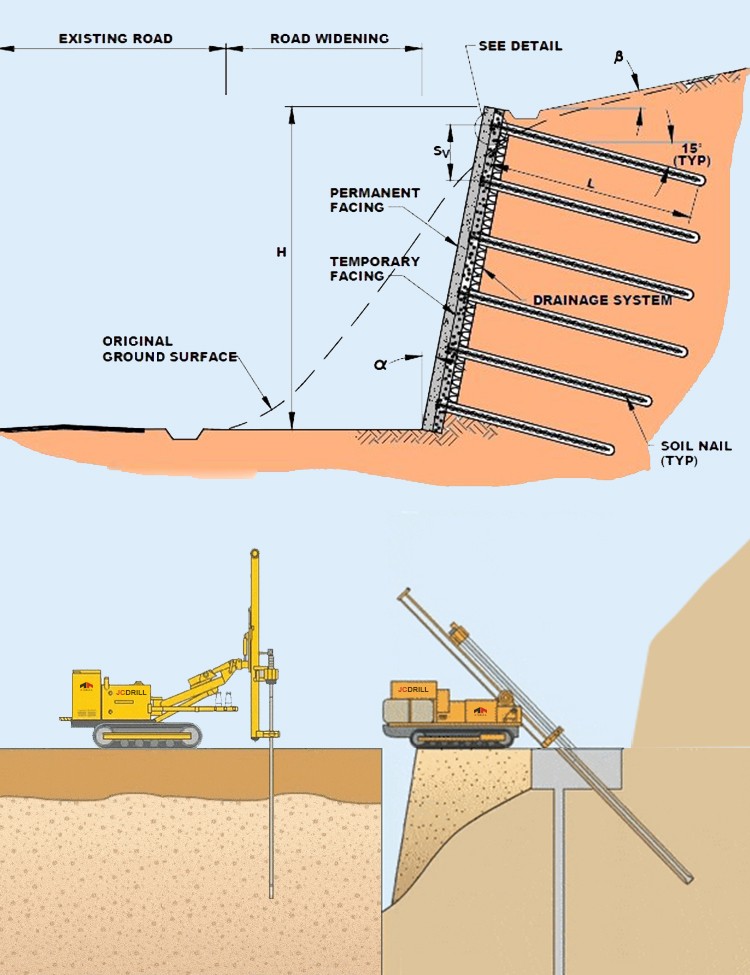
The fundamental function of an anchor drilling rig is to create boreholes that conform to precise engineering specifications in rock, soil, or mixed strata. Driven by powerful hydraulic, pneumatic, or electric power systems, the rig’s drilling mechanism applies torque and axial force to penetrate the ground. The ability to adjust drilling angles — including vertical, inclined, and horizontal orientations — allows the rig to align holes with structural design requirements for anchors or bolts.
Installation of Anchor Systems
After drilling the boreholes, Anchor Drilling Rig assist in positioning and installing anchoring elements such as steel bars, tendons, or cables. These anchors are inserted into the prepared holes and serve as tensile reinforcement components that transfer stability forces into competent soil or rock layers. Accurate placement is essential for the overall effectiveness of the reinforced support system.
High-Pressure Grouting and Soil Cementation
Modern Anchor Drilling Rig commonly incorporate grouting systems allowing pressurized injection of cementitious or chemical grout into the drilled holes. Grouting serves to bond anchors to the surrounding formation, fill voids, and improve soil cohesion. The integration of grouting within the drilling sequence enhances efficiency, reduces construction steps, and increases the mechanical interaction between the anchor and the ground, leading to improved load transfer and long-term stability.
Adaptability Across Geotechnical Conditions
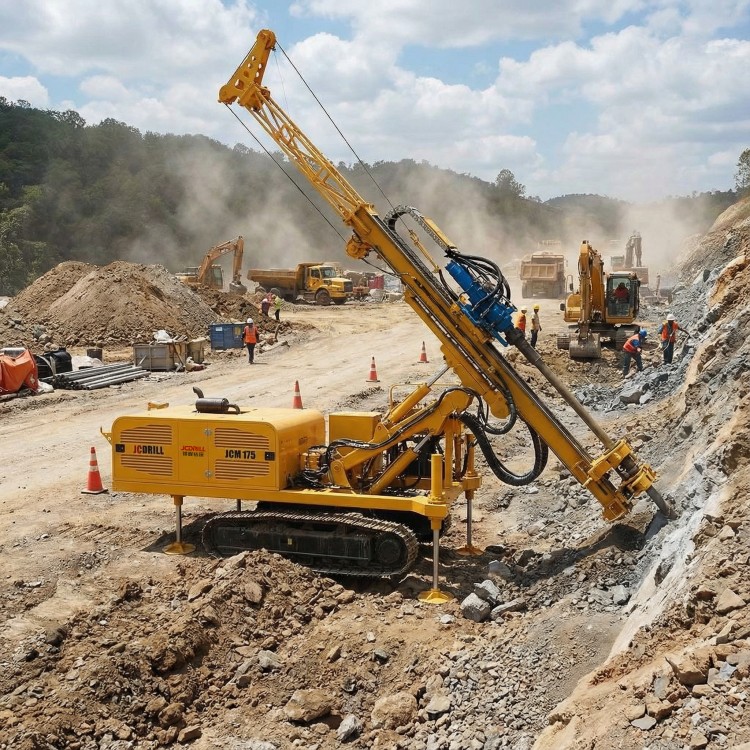
Designed for use on varied terrains, Anchor Drilling Rig can operate on flat urban sites, steep slopes, and confined construction zones. Many rigs are mounted on crawler tracks or wheeled platforms with telescopic booms and articulating joints, enabling them to navigate rough topography and position drilling assemblies at multiple orientations. This flexibility expands the range of possible drilling scenarios without extensive auxiliary equipment.
Engineering Applications in Construction
Deep Foundation Pit Support
In urban construction and high-rise building projects, deep excavation often requires systematic anchoring to prevent lateral soil movement and maintain excavation wall stability. Anchor Drilling Rig are employed to drill anchor holes at specified depths around foundation pits and install reinforcement systems to counteract earth pressures and minimize deformation. This is essential for both temporary excavation safety and structural integrity during construction.
Slope Stabilization and Geological Hazard Mitigation
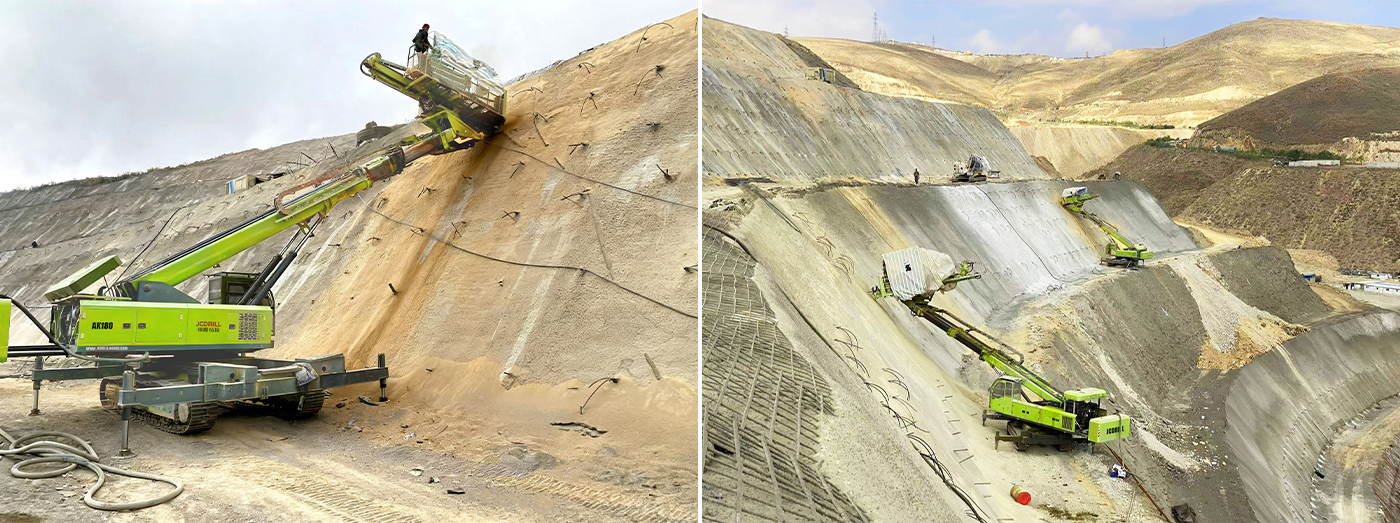
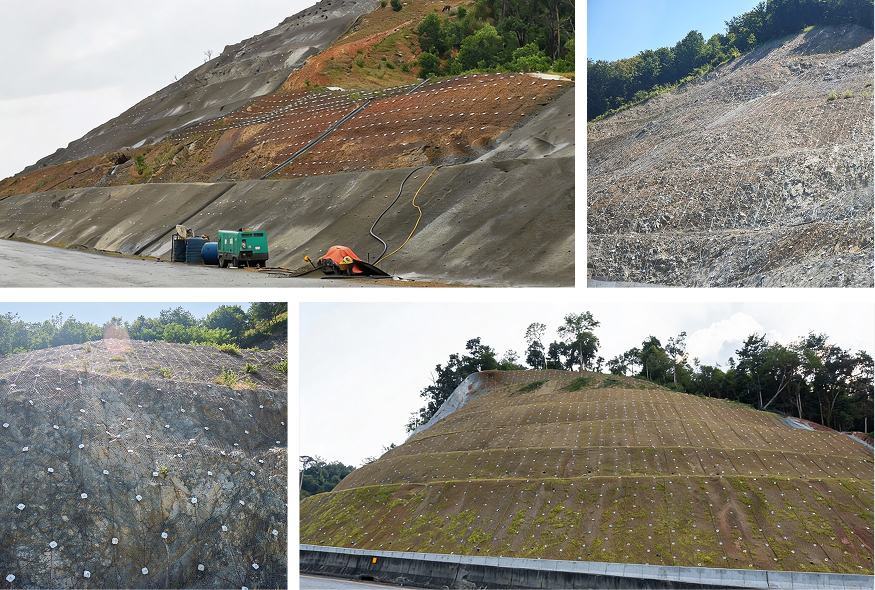
Slopes adjacent to roads, railways, reservoirs, or hydropower facilities are prone to instability under certain conditions. Anchor Drilling Rig are used to reinforce these slopes with anchors and drainage systems, reducing landslide risk and rockfall potential. Specialized rigs capable of multi-angle drilling provide targeted support in high-slope rock mass anchoring, enhancing long-term stability.
Tunnel and Underground Structure Reinforcement
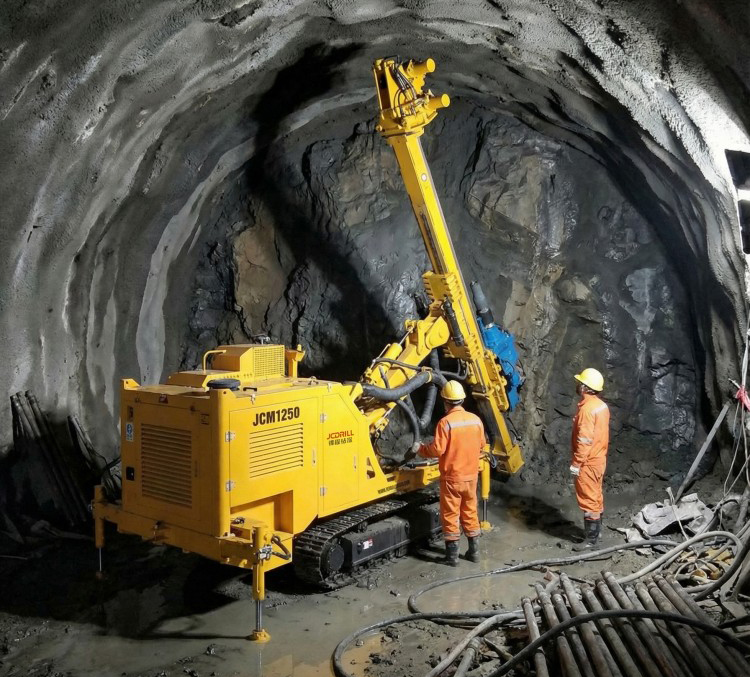
Tunneling projects — including subways, highway tunnels, and underground utilities — demand robust support systems to control deformation and ensure safety during excavation. Anchor Drilling Rig facilitate the installation of rock bolts or cable anchors into the tunnel’s surrounding rock mass, preventing roof collapse and controlling ground movement. Their precise drilling capability ensures anchors align with tunnel support design parameters.
Infrastructure Projects: Transportation, Water Conservancy, and Energy
Across infrastructure domains such as highways, railways, airports, dams, and power plants, Anchor Drilling Rig contribute to foundation stabilization and geological risk management. For example, anchoring systems installed by these rigs can counteract uplift forces in dam foundations, reinforce embankments, and support retaining structures in transportation corridors. Their versatility makes them suitable for a wide range of engineered support solutions.
Technical Features Supporting Construction Performance
Hydraulic and Power Systems: Robust power units — whether diesel, electric, or hybrid — deliver stable torque and feed force needed for drilling both soft soils and hard rock formations.
Control and Precision: Digital or hydraulic controls allow operators to adjust drilling parameters such as angle, depth, and rotational speed, ensuring compliance with engineering specifications.
Mobility and Deployment: Crawler or wheeled platforms combined with telescopic booms enable rapid positioning and effective operation in restricted or uneven spaces typical of construction environments.
Integrated Grouting Capability: High-pressure grouting systems streamline reinforcement processes by combining drilling and cementation, reducing operational time and improving installation quality.
Conclusion
Anchor Drilling Rig are indispensable tools in contemporary construction engineering. Their ability to precisely drill boreholes, install anchors, and perform grouting under diverse geological conditions provides essential support for structural stability and safety. From deep foundation pits to steep slope reinforcement and underground tunnels, these rigs enhance project reliability and efficiency. As construction demands continue to evolve, anchor drilling technology remains central to geotechnical and infrastructural success.