
English





Date 2026.07.09
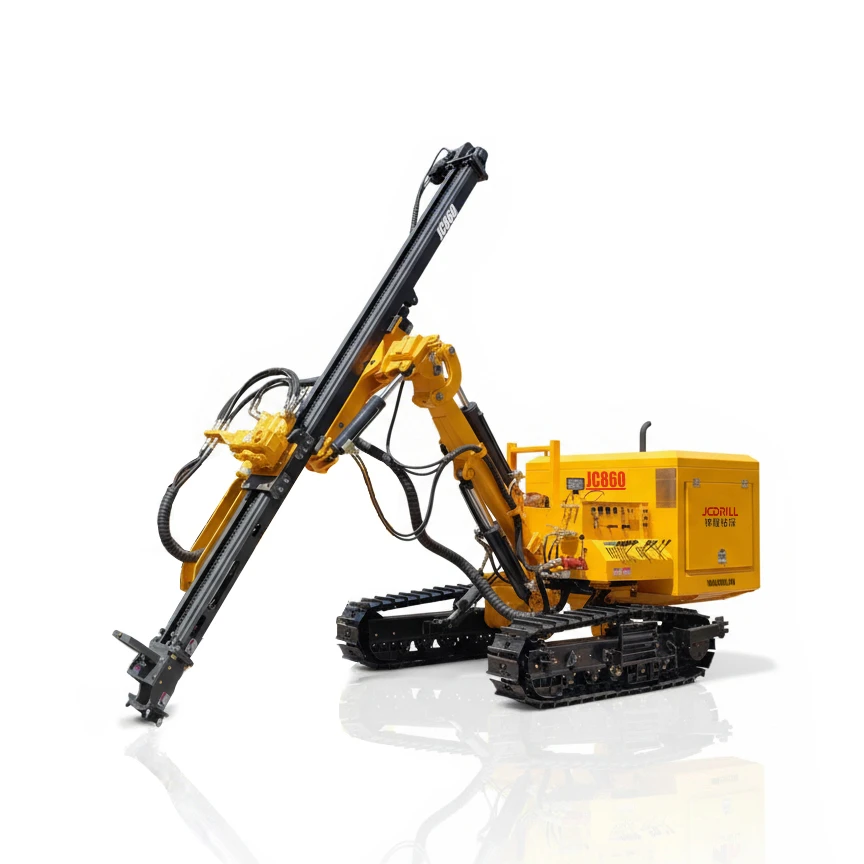
In today’s construction and mining industries, choosing the right excavation equipment is crucial. Crawler-mounted rock blasting drilling rigs provide significant utility, but they also come with their unique set of challenges. For professionals facing pain points like inefficient drilling rates or high operating costs, understanding the pros and cons of this technology can lead to more informed purchasing decisions. The scenarios are clear: operators need reliable equipment that performs under pressure, grants mobility on rough terrains, and maintains consistent safety standards, all at a reasonable cost. The aim of this article is to deconstruct the various aspects of crawler-mounted rock blasting drilling rigs to determine their viability for various applications.
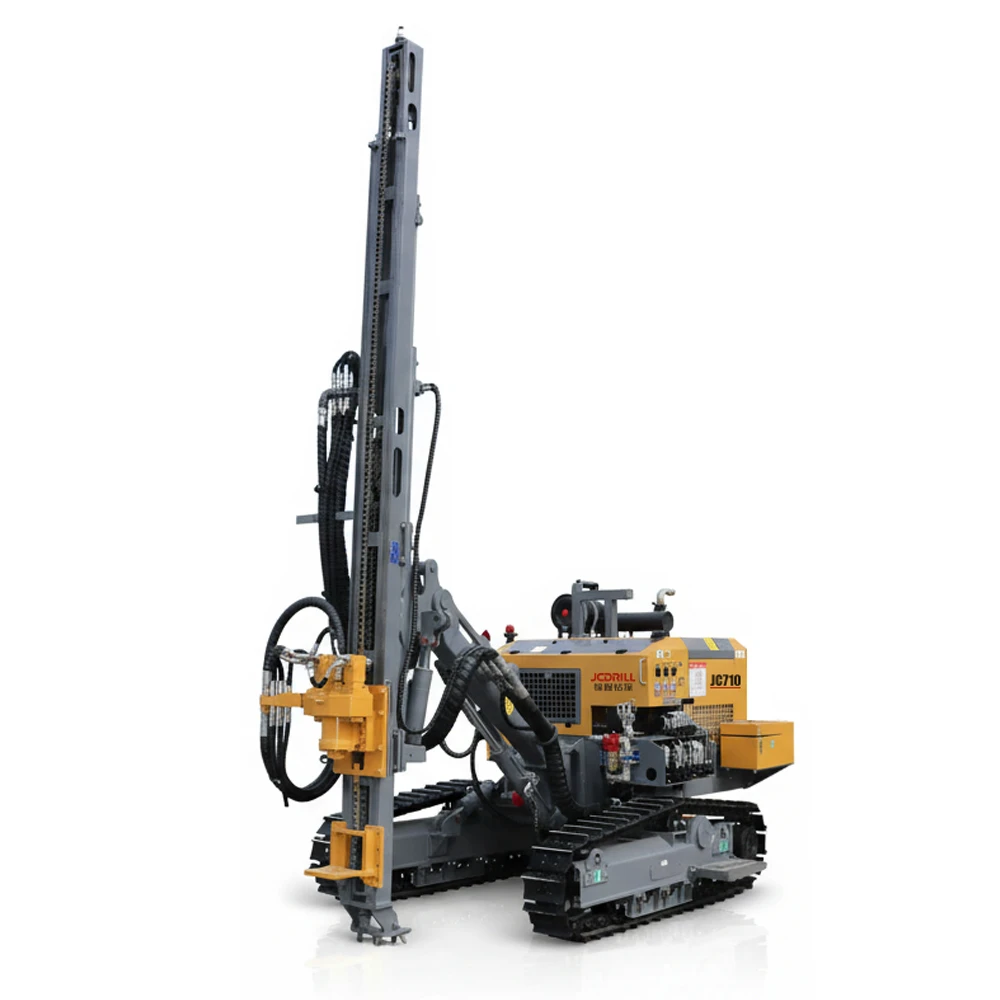
Crawler-mounted rock blasting drilling rigs exhibit several advantages that can enhance operational efficiency and effectiveness. One of the key benefits is their mobility; these rigs can traverse uneven terrains, which is evidenced by their capability to operate at an incline of up to 45 degrees. This flexibility allows them to be deployed in various environments, ranging from mountainous regions to remote construction sites.
In addition, the productivity of these rigs is noteworthy. A recent case study demonstrated that crawler-mounted rigs improved drilling rates by 25%, allowing contractors to complete projects faster than before. This reduction in time is crucial when budgets are tight and deadlines are stringent.
Moreover, through the integration of advanced hydraulic systems, these rigs can deliver significantly higher drilling force. This has been measured in some models equipped with heavy-duty hydraulic systems, which can exert a force of up to 17,000 pounds, resulting in efficient rock penetration and reducing the wear on drill bits. Safety features embedded in these rigs, such as emergency shutoff systems and operator protective enclosures, further enhance their appeal, reducing workplace accidents by as much as 12% during operations.
However, the use of crawler-mounted rock blasting drilling rigs isn't without its drawbacks. One major downside is the initial investment cost, which can range from $200,000 to $1 million depending on features and customization. This high upfront cost can be a hurdle for small or medium-sized enterprises, leading to financial strain if not budgeted accurately.
Furthermore, maintenance is a critical concern. These rigs require regular servicing and parts replacement, which can accumulate expenses, averaging around $15,000 annually. Operators might find that ignoring maintenance schedules can lead to operating inefficiencies and system breakdowns, causing project delays. To mitigate these challenges, potential buyers should carefully assess their operational budgets and investment capabilities before making a decision.
Ultimately, the decision to purchase a crawler-mounted rock blasting drilling rig is contingent on specific project needs and operational resources. For large-scale projects, where continuous drilling and high efficiency are paramount, the benefits generally outweigh the disadvantages. Moreover, companies that can allocate funds for upfront purchases and maintain their equipment properly are likely to experience a positive return on investment over time.
However, for smaller operations or one-time users, renting these rigs might be a more viable solution. This approach eliminates the burden of maintenance and significant financial investment while still providing access to cutting-edge technology from brands like jcdrillingrig without compromising on performance.
In summary, crawler-mounted rock blasting drilling rigs are ideal for large construction and mining enterprises that require mobility, efficiency, and safety. Those with strict deadlines and high productivity goals will find these rigs to be an invaluable asset. Conversely, smaller companies or projects with limited budgets may want to consider alternative equipment options or rental agreements. Always evaluate the specific operational requirements and budget constraints before making a purchase decision.
These rigs are primarily used in construction, mining, and geotechnical sectors for projects requiring rock excavation and reliable drilling solutions.
Maintenance costs for crawler-mounted rigs can average around $15,000 annually, which might be higher than some traditional rigs, as these models often incorporate more complex technology.
While they are designed to handle various terrains, performance in severe weather conditions will depend on the specific model and configuration of the rig.
jcdrillingrig is known for its innovative designs and robust performance, often leading the market with advanced hydraulic systems and safety features that enhance productivity.
Top Parameters to Compare in a Rock Blasting Drilling Rig
In the rapidly evolving construction and mining sectors, the effectiveness of rock blasting and drilling operations significantly relies on the choice of drilling rigs. There’s a growing need to explore parameters that influence performance, efficiency, and safety. Are you facing obstacles in selecting a reliable rock blasting drilling rig that optimally meets your project demands? This article
 Previous
Review Checklist for Blast Hole Accuracy, Dust Control, and Mobility
In the demanding world of mining, specifically in blast hole drilling, stakeholders often encounter critical issues that can severely impact productivity—accuracy, dust control, and mobility. These challenges can lead to costly delays and environmental concerns. For instance, a mining company in Nevada faced a 15% production decrease due to inaccurate blast hole positioning, which resulted in
Next
Explore Drilling Solutions
Top Differences Between Surface and Underground Core Drilling Setups
The drilling industry is experiencing a notable evolution as companies seek more efficient methods to conduct mineral exploration and geological studies. Understanding the top differences between surface and underground core drilling setups is essential for stakeholders in this field. With specific challenges such as material extraction costs increasing by 25% over the past five years, and
Date 2026.10.12
Surface core rigs are designed for drilling operations that occur on the surface of the ground. They are typically used in mineral exploration and geological studies.
Date 2026.10.09
Fractured ground poses significant challenges for construction and drilling operations, particularly for those utilizing Surface Core Drilling Rig systems. The complexities of recovery can lead to increased project timelines and costs, frustrating contractors and engineers alike. Fortunately, implementing effective recovery techniques can accelerate progress and enhance overall productivity. By
Date 2026.10.08
Choosing the right surface core drilling rig is a critical decision for exploration and construction professionals. Whether you are drilling for mineral exploration, environmental studies, or geotechnical engineering, the choice between crawler and truck-mounted rigs can significantly impact efficiency and operational costs. This guide addresses key considerations for contractors and project
Date 2026.10.07
In the world of deep exploration drilling, inefficiencies can lead to significant financial losses and project delays. One of the most pressing issues is the inability to obtain accurate geological data in real time. This lack of precision is often attributed to traditional coring methods that can be both time-consuming and prone to human error. In an industry where every minute counts, the
Date 2026.10.06

Please leave your information.
