
English





Date 2026.07.14
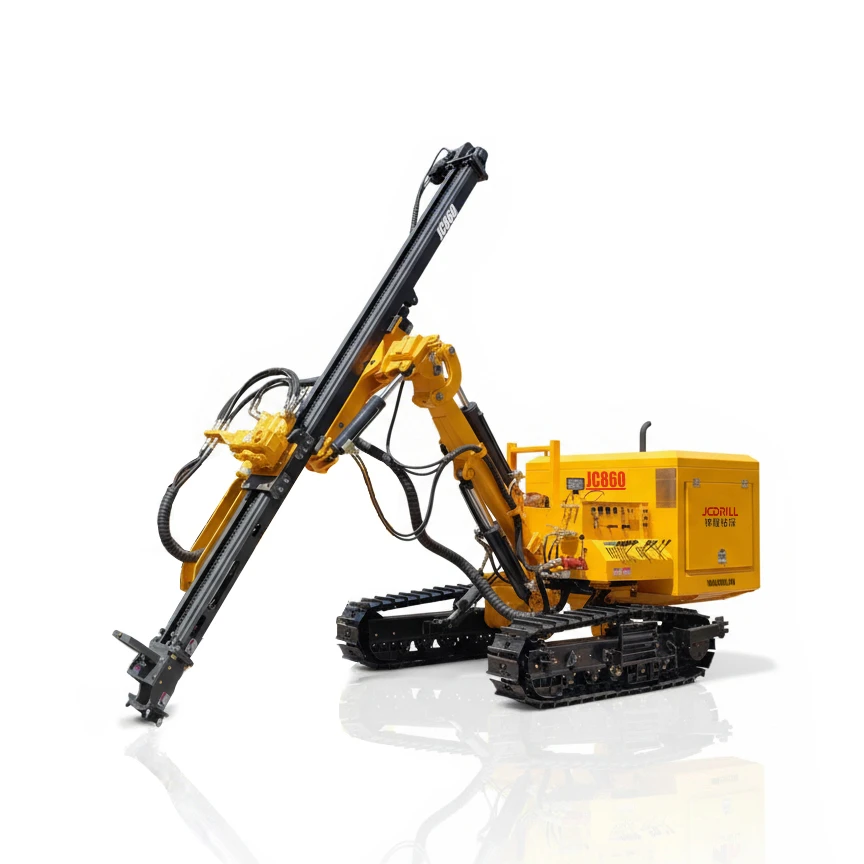
Rock blasting rigs are specifically designed for high-impact drilling into hard rock formations, while general drilling rigs are versatile tools suitable for softer materials and varied drilling applications. The main distinction lies in the operational mechanism and intended use, affecting performance and outcomes in quarry operations.
| Parameter | Rock Blasting Rig | General Drilling Rig |
|---|---|---|
| Drilling Diameter | Up to 250 mm | Up to 150 mm |
| Drilling Depth | Up to 60 m | Up to 40 m |
| Weight | Heavy-duty (5-20 tons) | Medium-duty (2-10 tons) |
| Power Source | Dynamite/Explosives | Electric/Pneumatic |
Rock blasting rigs require a robust power source, often depending on explosives and specific configurations to handle tough geological conditions. General drilling rigs, powered by electricity or compressed air, offer more flexibility for diverse drilling tasks but may struggle with stability in harder formations.
Real-world operations showcase that rock blasting rigs excel in deep rock formations, successfully reducing drilling time. Conversely, general drilling rigs offer ease of use and portability, making them suitable for shorter, less intensive projects. User reviews indicate that reliability and maintenance costs favor rock blasting rigs for extensive quarry applications.
Quarry operators handling extensive hard rock projects should invest in rock blasting rigs. These operators benefit from reduced drilling times and improved productivity, making them the ideal choice for large-scale applications.
Small to medium-scale projects in less challenging geological conditions can leverage general drilling rigs. Contractors requiring flexibility and cost-effectiveness will find these rigs suitable for their operations.
When deciding between a Rock Blasting Drilling Rig and a general drilling rig, it's vital to consider your specific operational needs, geological requirements, and budget constraints. At jcdrillingrig, we understand these challenges and offer tailored solutions to meet the demands of your quarry operations. For more information, visit our website at jcdrillingrig.com"> .
.

Trends in Modular Customization for Mining and Engineering Drilling Rigs
The mining and engineering drilling rig market faces pressing challenges such as rising operational costs and stringent environmental regulations. Operators often grapple with the pain point of customizing rigs to meet specific project demands, which can lead to delays and increased expenses. Fortunately, modular customization offers a flexible solution, enabling companies to tailor drilling rigs
 Previous
Top Parameters to Compare in a Rock Blasting Drilling Rig
In the rapidly evolving construction and mining sectors, the effectiveness of rock blasting and drilling operations significantly relies on the choice of drilling rigs. There’s a growing need to explore parameters that influence performance, efficiency, and safety. Are you facing obstacles in selecting a reliable rock blasting drilling rig that optimally meets your project demands? This article
Next
Explore Drilling Solutions
Top Differences Between Surface and Underground Core Drilling Setups
The drilling industry is experiencing a notable evolution as companies seek more efficient methods to conduct mineral exploration and geological studies. Understanding the top differences between surface and underground core drilling setups is essential for stakeholders in this field. With specific challenges such as material extraction costs increasing by 25% over the past five years, and
Date 2026.10.12
Surface core rigs are designed for drilling operations that occur on the surface of the ground. They are typically used in mineral exploration and geological studies.
Date 2026.10.09
Fractured ground poses significant challenges for construction and drilling operations, particularly for those utilizing Surface Core Drilling Rig systems. The complexities of recovery can lead to increased project timelines and costs, frustrating contractors and engineers alike. Fortunately, implementing effective recovery techniques can accelerate progress and enhance overall productivity. By
Date 2026.10.08
Choosing the right surface core drilling rig is a critical decision for exploration and construction professionals. Whether you are drilling for mineral exploration, environmental studies, or geotechnical engineering, the choice between crawler and truck-mounted rigs can significantly impact efficiency and operational costs. This guide addresses key considerations for contractors and project
Date 2026.10.07
In the world of deep exploration drilling, inefficiencies can lead to significant financial losses and project delays. One of the most pressing issues is the inability to obtain accurate geological data in real time. This lack of precision is often attributed to traditional coring methods that can be both time-consuming and prone to human error. In an industry where every minute counts, the
Date 2026.10.06

Please leave your information.
