English





Date 2026.10.09
Surface core rigs are designed for drilling operations that occur on the surface of the ground. They are typically used in mineral exploration and geological studies.
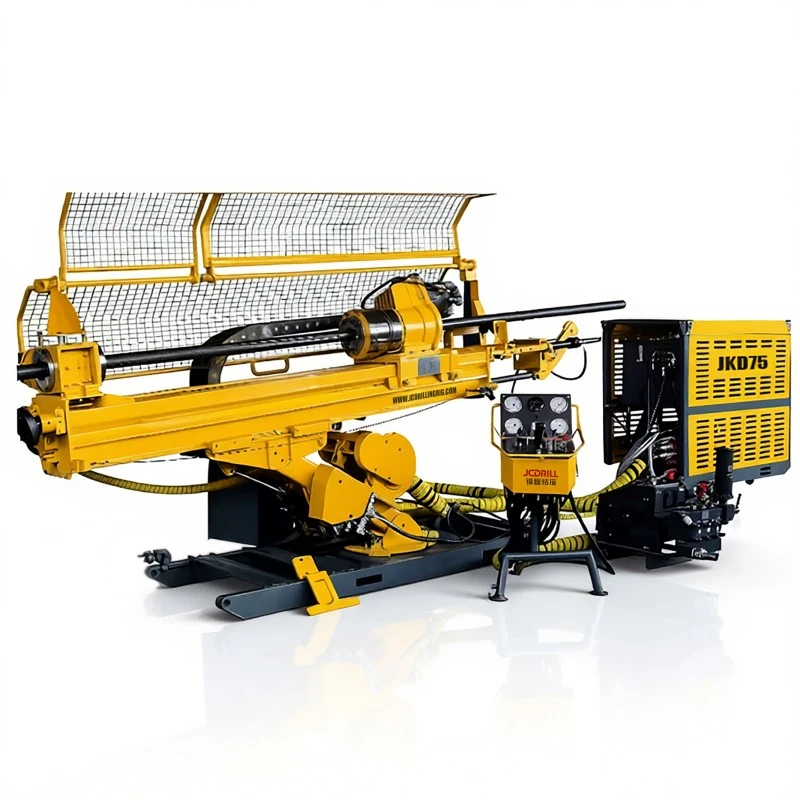
Underground core rigs are specialized for drilling beneath the surface, making them essential for operations in confined or urban environments.
Surface rigs typically have better battery life due to their larger power sources, while underground rigs rely more heavily on efficient hydraulic systems for sustained operation.
Surface core rigs provide more stability on flat terrain, while underground rigs exhibit stability in turbulent geological conditions during drilling.
Users have reported favorable experiences with surface core rigs in open locations requiring fast drilling, whereas underground rigs are praised for navigating urban landscapes effectively.
Surface core rigs are best suited for exploration companies operating in rural or undeveloped areas with ample land access.
Underground core rigs are ideal for operations in urban settings, environmental monitoring, and projects where surface disruption needs to be minimized.
When considering the choice between an Underground Core Drilling Rig and a surface option, assess the project needs, terrain, and budgetary constraints. At jcdrillingrig, we offer a range of drilling rigs suitable for various applications from surface to underground. Visit us at jcdrillingrig for more information.
Top Differences Between Surface and Underground Core Drilling Setups
The drilling industry is experiencing a notable evolution as companies seek more efficient methods to conduct mineral exploration and geological studies. Understanding the top differences between surface and underground core drilling setups is essential for stakeholders in this field. With specific challenges such as material extraction costs increasing by 25% over the past five years, and
 Previous
Tips for Improving Core Recovery in Fractured Ground
Fractured ground poses significant challenges for construction and drilling operations, particularly for those utilizing Surface Core Drilling Rig systems. The complexities of recovery can lead to increased project timelines and costs, frustrating contractors and engineers alike. Fortunately, implementing effective recovery techniques can accelerate progress and enhance overall productivity. By
Next
Explore Drilling Solutions
Top Differences Between Surface and Underground Core Drilling Setups
The drilling industry is experiencing a notable evolution as companies seek more efficient methods to conduct mineral exploration and geological studies. Understanding the top differences between surface and underground core drilling setups is essential for stakeholders in this field. With specific challenges such as material extraction costs increasing by 25% over the past five years, and
Date 2026.10.12
Fractured ground poses significant challenges for construction and drilling operations, particularly for those utilizing Surface Core Drilling Rig systems. The complexities of recovery can lead to increased project timelines and costs, frustrating contractors and engineers alike. Fortunately, implementing effective recovery techniques can accelerate progress and enhance overall productivity. By
Date 2026.10.08
Choosing the right surface core drilling rig is a critical decision for exploration and construction professionals. Whether you are drilling for mineral exploration, environmental studies, or geotechnical engineering, the choice between crawler and truck-mounted rigs can significantly impact efficiency and operational costs. This guide addresses key considerations for contractors and project
Date 2026.10.07
In the world of deep exploration drilling, inefficiencies can lead to significant financial losses and project delays. One of the most pressing issues is the inability to obtain accurate geological data in real time. This lack of precision is often attributed to traditional coring methods that can be both time-consuming and prone to human error. In an industry where every minute counts, the
Date 2026.10.06
Identify the maximum depth you need to reach and the size of the core samples you aim to extract. This will help you in selecting a rig capable of handling these specifications effectively.
Date 2026.10.05

Please leave your information.