
English





Date 2026.07.13
In the rapidly evolving construction and mining sectors, the effectiveness of rock blasting and drilling operations significantly relies on the choice of drilling rigs. There’s a growing need to explore parameters that influence performance, efficiency, and safety. Are you facing obstacles in selecting a reliable Rock Blasting Drilling Rig that optimally meets your project demands? This article aims to provide insights into the critical parameters to consider, solutions to common issues, and the overall impact of making an informed choice.
The rock blasting drilling rig market is witnessing substantial growth, driven by technological advancements and increasing demands in over 100 countries. According to a report by Allied Market Research, the global drilling rigs market is projected to reach $24.5 billion by 2030, growing at a CAGR of 6.4%. As projects require enhanced operational efficiency and safety, stakeholders increasingly prioritize specifications and capabilities of drilling rigs. In this landscape, critical parameters to compare become essential for making informed decisions that can lead to improved project outcomes.
The power of a rock blasting drilling rig is typically measured in horsepower (HP) or kilowatts (kW). A more powerful rig allows for quicker drilling speeds and reduced downtime. For instance, a drill rig with 400 HP can achieve penetration rates of 10-15 meters per hour in granite, compared to a rig with 200 HP that may only reach 6-8 meters per hour. Choosing a higher HP model not only saves time but also decreases operational costs.
When evaluating drilling rigs, drilling depth and diameter are critical parameters. The maximum depth dictates how effectively you can reach targeted rock formations. For example, rigs capable of drilling depths up to 50 meters can access various mineral resources that shallower rigs cannot. The diameter, often measured in inches, affects the volume of material removal. A larger diameter (6-8 inches) can increase productivity by up to 40% in certain applications, enhancing the overall success of blasting operations.
Durability is essential for a rock blasting drilling rig, especially under extreme conditions. The lifespan of critical components such as drill bits can significantly impact overall maintenance costs. A tungsten carbide drill bit can last up to 400 hours versus regular steel bits which may only last around 80 hours. Additionally, regular maintenance can reduce unexpected repair costs, estimated at $2,000 annually for a less durable rig versus only $500 for a robust model like jcdrillingrig.
When selecting the ideal rock blasting drilling rig, consider the following recommendations:
Consulting expert reviews and conducting field tests can also provide valuable insights into performance metrics of various options available in the market.
If you're in the market for a reliable rock blasting drilling rig, look no further than jcdrillingrig. Their extensive range of customizable solutions is designed to boost operational efficiency and accuracy. Contact them directly via their website to explore options tailored to your needs or for immediate inquiries.
Efficiency can be influenced by power, wear on drill bits, type of soil or rock, and overall crew proficiency.
A rig with automation and advanced safety features minimizes risks such as operator error and equipment failure, improving overall safety.
Many manufacturers, including jcdrillingrig, offer leasing or financing options to help businesses acquire necessary equipment without excessive upfront costs.
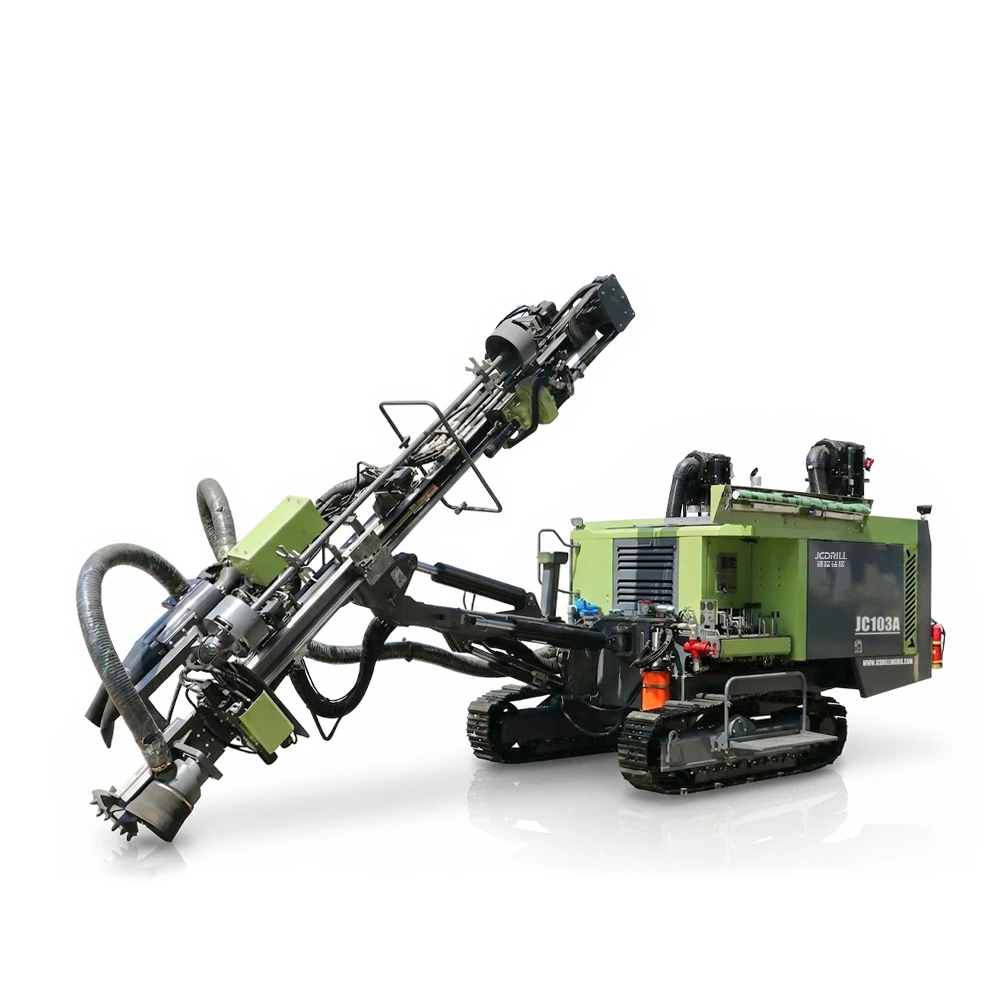
Rock Blasting Rig vs General Drilling Rig: What Changes for Quarry Operations?
Rock blasting rigs are specifically designed for high-impact drilling into hard rock formations, while general drilling rigs are versatile tools suitable for softer materials and varied drilling applications. The main distinction lies in the operational mechanism and intended use, affecting performance and outcomes in quarry operations.
 Previous
Pros and Cons of Crawler-Mounted Rock Blasting Drilling Rigs
In today’s construction and mining industries, choosing the right excavation equipment is crucial. Crawler-mounted rock blasting drilling rigs provide significant utility, but they also come with their unique set of challenges. For professionals facing pain points like inefficient drilling rates or high operating costs, understanding the pros and cons of this technology can lead to more
Next
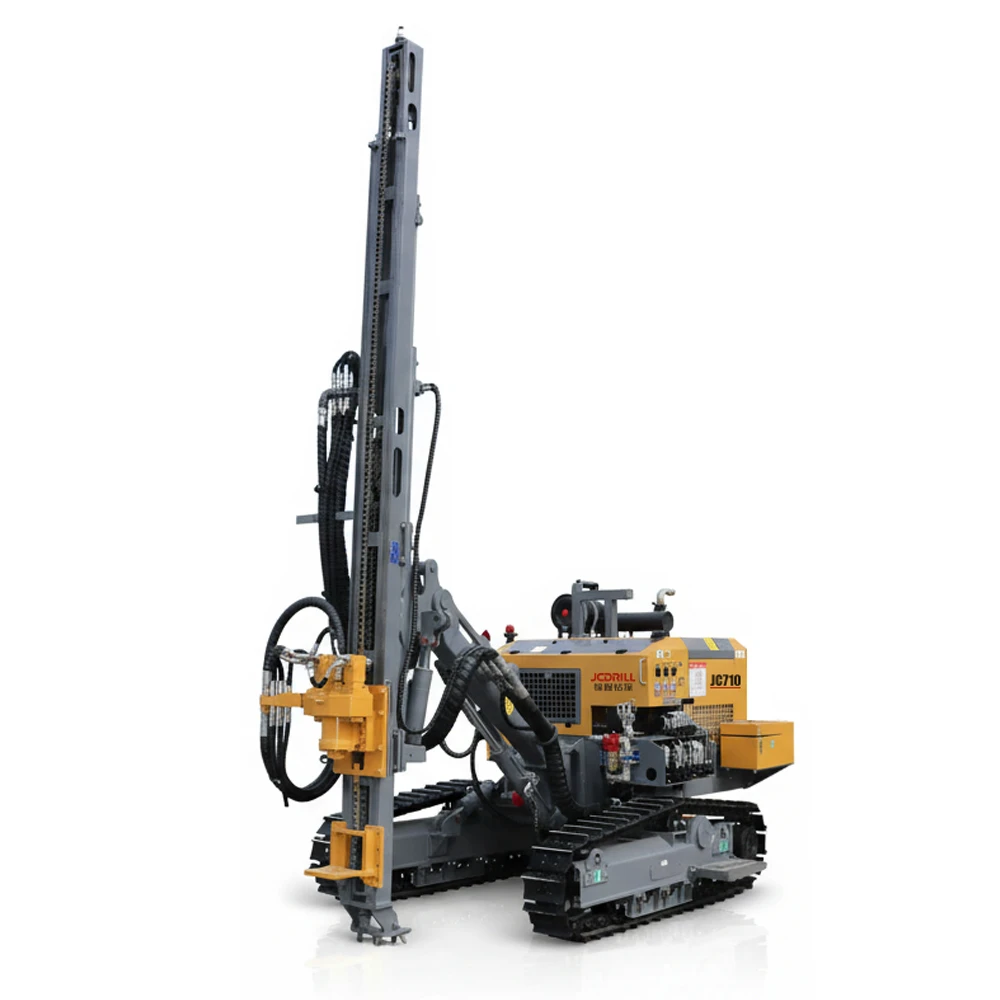
Explore Drilling Solutions
Top Differences Between Surface and Underground Core Drilling Setups
The drilling industry is experiencing a notable evolution as companies seek more efficient methods to conduct mineral exploration and geological studies. Understanding the top differences between surface and underground core drilling setups is essential for stakeholders in this field. With specific challenges such as material extraction costs increasing by 25% over the past five years, and
Date 2026.10.12
Surface core rigs are designed for drilling operations that occur on the surface of the ground. They are typically used in mineral exploration and geological studies.
Date 2026.10.09
Fractured ground poses significant challenges for construction and drilling operations, particularly for those utilizing Surface Core Drilling Rig systems. The complexities of recovery can lead to increased project timelines and costs, frustrating contractors and engineers alike. Fortunately, implementing effective recovery techniques can accelerate progress and enhance overall productivity. By
Date 2026.10.08
Choosing the right surface core drilling rig is a critical decision for exploration and construction professionals. Whether you are drilling for mineral exploration, environmental studies, or geotechnical engineering, the choice between crawler and truck-mounted rigs can significantly impact efficiency and operational costs. This guide addresses key considerations for contractors and project
Date 2026.10.07
In the world of deep exploration drilling, inefficiencies can lead to significant financial losses and project delays. One of the most pressing issues is the inability to obtain accurate geological data in real time. This lack of precision is often attributed to traditional coring methods that can be both time-consuming and prone to human error. In an industry where every minute counts, the
Date 2026.10.06

Please leave your information.
