
English





Date 1970.01.01
In the rapidly evolving construction and mining sectors, the effectiveness of rock blasting and drilling operations significantly relies on the choice of drilling rigs. There’s a growing need to explore parameters that influence performance, efficiency, and safety. Are you facing obstacles in selecting a reliable Rock Blasting Drilling Rig that optimally meets your project demands? This article aims to provide insights into the critical parameters to consider, solutions to common issues, and the overall impact of making an informed choice.
The rock blasting drilling rig market is witnessing substantial growth, driven by technological advancements and increasing demands in over 100 countries. According to a report by Allied Market Research, the global drilling rigs market is projected to reach $24.5 billion by 2030, growing at a CAGR of 6.4%. As projects require enhanced operational efficiency and safety, stakeholders increasingly prioritize specifications and capabilities of drilling rigs. In this landscape, critical parameters to compare become essential for making informed decisions that can lead to improved project outcomes.
The power of a rock blasting drilling rig is typically measured in horsepower (HP) or kilowatts (kW). A more powerful rig allows for quicker drilling speeds and reduced downtime. For instance, a drill rig with 400 HP can achieve penetration rates of 10-15 meters per hour in granite, compared to a rig with 200 HP that may only reach 6-8 meters per hour. Choosing a higher HP model not only saves time but also decreases operational costs.
When evaluating drilling rigs, drilling depth and diameter are critical parameters. The maximum depth dictates how effectively you can reach targeted rock formations. For example, rigs capable of drilling depths up to 50 meters can access various mineral resources that shallower rigs cannot. The diameter, often measured in inches, affects the volume of material removal. A larger diameter (6-8 inches) can increase productivity by up to 40% in certain applications, enhancing the overall success of blasting operations.
Durability is essential for a rock blasting drilling rig, especially under extreme conditions. The lifespan of critical components such as drill bits can significantly impact overall maintenance costs. A tungsten carbide drill bit can last up to 400 hours versus regular steel bits which may only last around 80 hours. Additionally, regular maintenance can reduce unexpected repair costs, estimated at $2,000 annually for a less durable rig versus only $500 for a robust model like jcdrillingrig.
When selecting the ideal rock blasting drilling rig, consider the following recommendations:
Consulting expert reviews and conducting field tests can also provide valuable insights into performance metrics of various options available in the market.
If you're in the market for a reliable rock blasting drilling rig, look no further than jcdrillingrig. Their extensive range of customizable solutions is designed to boost operational efficiency and accuracy. Contact them directly via their website to explore options tailored to your needs or for immediate inquiries.
Efficiency can be influenced by power, wear on drill bits, type of soil or rock, and overall crew proficiency.
A rig with automation and advanced safety features minimizes risks such as operator error and equipment failure, improving overall safety.
Many manufacturers, including jcdrillingrig, offer leasing or financing options to help businesses acquire necessary equipment without excessive upfront costs.
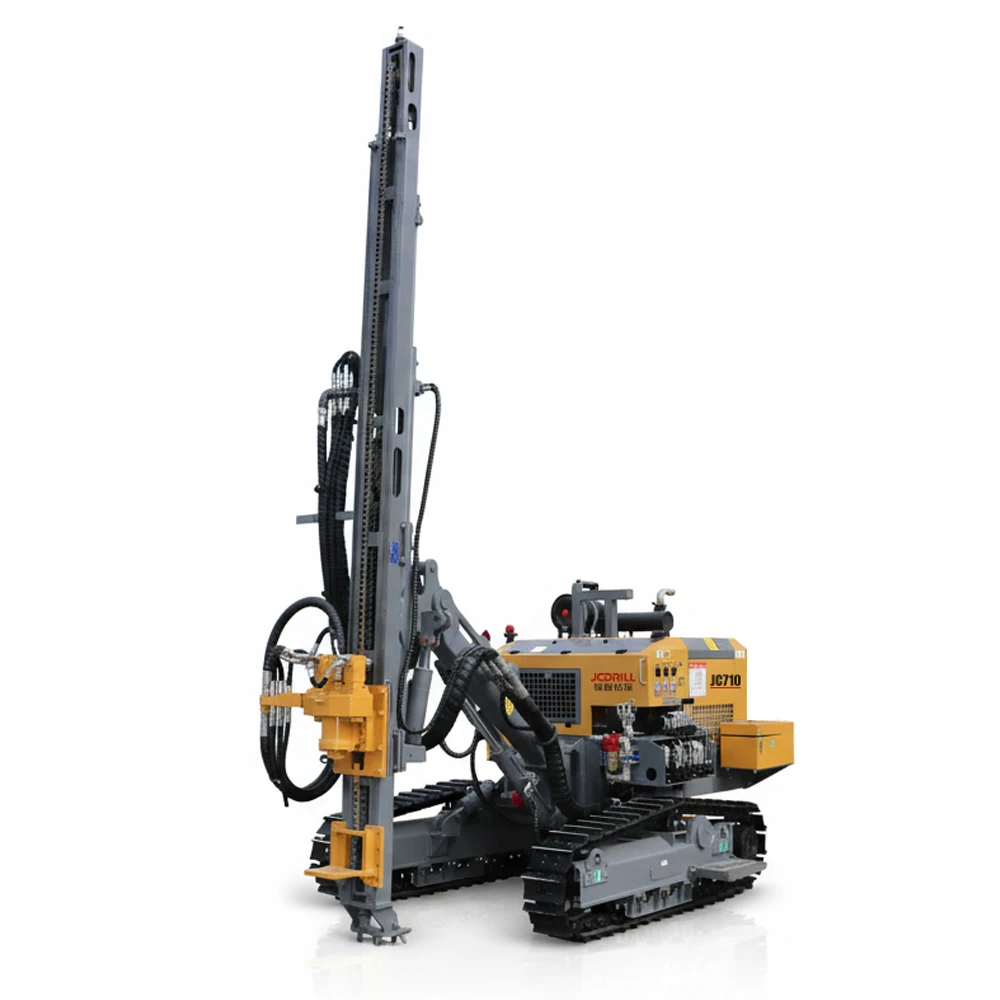
Pros and Cons of Crawler-Mounted Rock Blasting Drilling Rigs
In today’s construction and mining industries, choosing the right excavation equipment is crucial. Crawler-mounted rock blasting drilling rigs provide significant utility, but they also come with their unique set of challenges. For professionals facing pain points like inefficient drilling rates or high operating costs, understanding the pros and cons of this technology can lead to more
 Previous
Tips for Planning Spare Parts and Consumables Before a Drilling Project
Successful drilling projects largely depend on meticulous planning, particularly when it comes to spare parts and consumables. Many project managers face delays and increased costs due to a lack of proper inventory management and procurement strategies. This article provides targeted strategies to enhance your planning process, ensuring that you can mitigate risks, optimize resource allocation,
Next
Explore Drilling Solutions
Air Core Drilling Explained: How It Works, Sample Quality, and Its Role in Mineral Exploration
Explore how air core drilling works, where it is most effective, and what affects sample quality. This comprehensive guide explains its role in mineral exploration, compares it with other drilling methods, and highlights key considerations for reliable results.
Date 2026.10.27
In today’s fast-paced drilling industry, ensuring the mobility and safety of underground core rigs is paramount. Mining companies often face challenges such as terrain variability and safety compliance, impacting overall productivity. The solution lies in utilizing state-of-the-art underground core drilling rigs like those from jcdrillingrig. These rigs not only enhance operational efficiency
Date 2026.10.15
In the realm of mineral exploration, effective and efficient drilling is crucial. The need for reliable and precise methods in confined mine areas has driven many mining professionals to consider underground core drilling. This technique allows for detailed geological assessments, helping companies identify valuable resources while minimizing disruption to the surrounding environment. However,
Date 2026.10.15
The drilling industry is experiencing a notable evolution as companies seek more efficient methods to conduct mineral exploration and geological studies. Understanding the top differences between surface and underground core drilling setups is essential for stakeholders in this field. With specific challenges such as material extraction costs increasing by 25% over the past five years, and
Date 2026.10.12
Surface core rigs are designed for drilling operations that occur on the surface of the ground. They are typically used in mineral exploration and geological studies.
Date 2026.10.09

Please leave your information.

