
English





Date 2026.07.15
The mining and engineering drilling rig market faces pressing challenges such as rising operational costs and stringent environmental regulations. Operators often grapple with the pain point of customizing rigs to meet specific project demands, which can lead to delays and increased expenses. Fortunately, modular customization offers a flexible solution, enabling companies to tailor drilling rigs efficiently without overhauling entire systems. For instance, using modularized components can lead to a 25% reduction in assembly time, ultimately minimizing downtime and enhancing productivity within various project scenarios.
Several key drivers are shaping the trend towards modular customization in drilling rigs. One primary factor is the push for sustainability in mining operations. According to a report by the World Economic Forum, the mining sector can reduce its carbon footprint by up to 30% through innovative practices and technologies such as modular designs. Additionally, advancements in technology—such as IoT integration—play a crucial role in enhancing both the efficiency and functionality of these rigs. IoT-enabled modular rigs allow real-time data analytics, enabling operators to make informed decisions and optimize drilling processes.
Automation continues to be a significant trend with the integration of advanced robotics and AI into modular drilling rigs. For instance, data from a 2022 survey conducted by Mining Weekly indicates that 45% of mining operations are now utilizing automated technologies to enhance productivity, reduce human error, and improve safety. Remote operation capabilities allow for overseeing drilling rigs from centralized control rooms, which can significantly reduce labor costs by 30% and enhance operational flexibility.
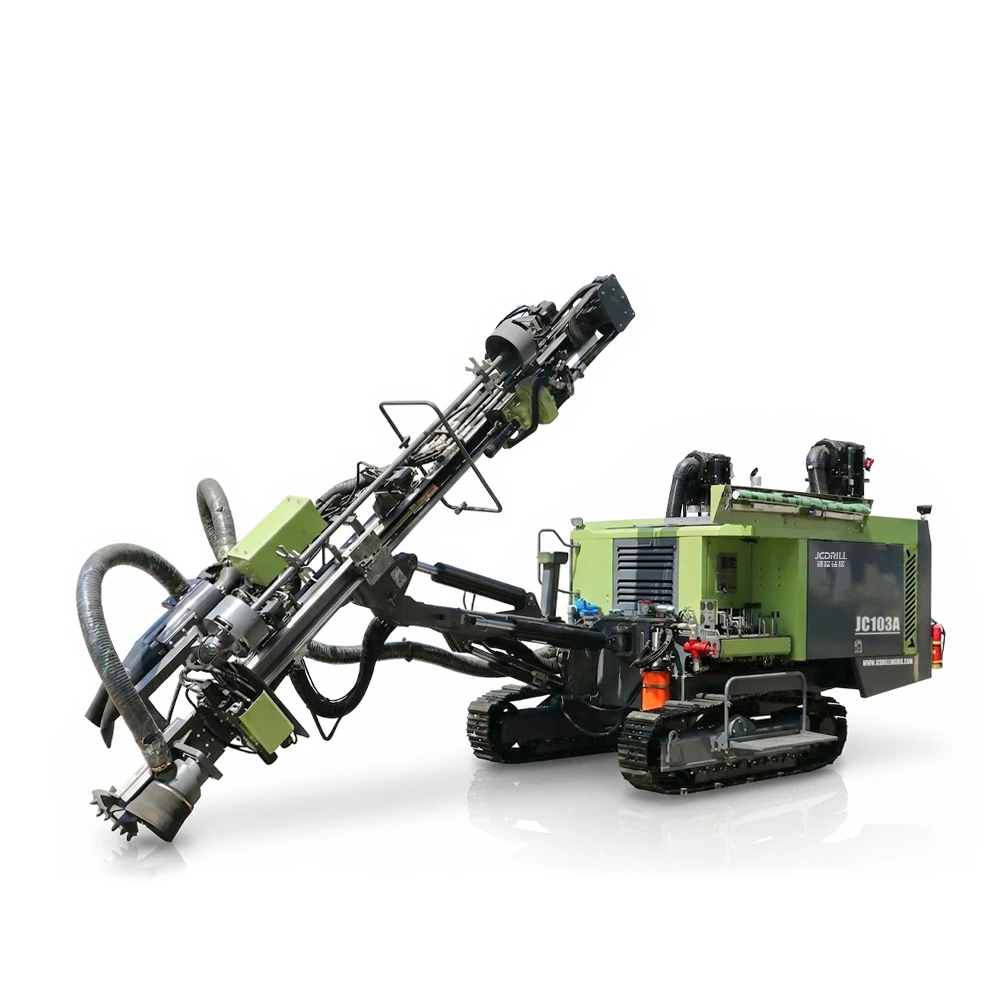
Customization is becoming more granular, with manufacturers like jcdrillingrig offering several adjustable components tailored to specific needs, from deep-sea drilling to urban construction. An analysis of market trends from ResearchAndMarkets in 2023 highlights that modular units can reduce initial setup costs by 20% and speed up the readiness of rigs for different types of tasks. This versatility helps companies pivot more quickly in response to market demands.
Safety is paramount in the drilling industry, and modular customization is paving the way toward greater security. Modular rigs can incorporate advanced safety features, such as automated shut-off systems and enhanced firefighting technologies. According to the Mine Safety and Health Administration (MSHA), incidents in mines can be reduced by approximately 15% through the implementation of these safety-oriented designs, demonstrating how modular customization not only boosts productivity but significantly enhances worker safety.
Data analytics has become instrumental in optimizing drilling operations. With modular rigs, integrated analytics can provide insights into real-time drilling performance, enabling operators to adjust strategies on the fly. A case study published in the "Journal of Petroleum Technology" reports that users experienced a 40% increase in operational efficiency when employing real-time data analytics in modular drill designs. This immediate access to data allows for proactive maintenance, minimizing downtime.
As environmental concerns grow, modular drilling rigs that utilize sustainable materials and processes are becoming increasingly attractive. The transition towards eco-friendly equipment can decrease operational emissions by up to 50%, according to a 2022 report by the International Council on Mining and Metals. Modular rigs can be designed with recyclable materials and energy-efficient systems, aligning with global sustainability goals.
As modular customization continues to reshape the landscape of drilling rigs, buyers can expect significant benefits in terms of cost savings, enhanced operational efficiency, and improved safety. Organizations investing in modular rigs find themselves more competitive as they can pivot to meet changing demands quickly. Moreover, customizable solutions enable businesses to allocate resources more effectively, allowing them to focus on core operations while reducing overhead costs.
To maximize the benefits of modular customization, operators should consider the following practical steps:
Modular drilling rigs are customizable systems designed to operate in a variety of conditions and project requirements, allowing for adjustments in key components without complete redesigns.
Modular rigs can integrate enhanced safety features and systems that respond to operational hazards, thereby reducing the risk of accidents in the field.
Companies can save significantly on initial setup costs and operational expenses, with estimates indicating reductions of at least 20% to 30% in various applications.
How to Build a Drilling Equipment List for Field Mobilization
When planning a drilling operation, one of the most critical challenges is building an effective drilling equipment list for field mobilization. Users often struggle with determining the right equipment that strikes a balance between efficiency, cost, and safety. Properly curated drilling rig equipment is essential to meet project timelines while addressing potential delays caused by missing
 Previous
Rock Blasting Rig vs General Drilling Rig: What Changes for Quarry Operations?
Rock blasting rigs are specifically designed for high-impact drilling into hard rock formations, while general drilling rigs are versatile tools suitable for softer materials and varied drilling applications. The main distinction lies in the operational mechanism and intended use, affecting performance and outcomes in quarry operations.
Next
Explore Drilling Solutions
Top Differences Between Surface and Underground Core Drilling Setups
The drilling industry is experiencing a notable evolution as companies seek more efficient methods to conduct mineral exploration and geological studies. Understanding the top differences between surface and underground core drilling setups is essential for stakeholders in this field. With specific challenges such as material extraction costs increasing by 25% over the past five years, and
Date 2026.10.12
Surface core rigs are designed for drilling operations that occur on the surface of the ground. They are typically used in mineral exploration and geological studies.
Date 2026.10.09
Fractured ground poses significant challenges for construction and drilling operations, particularly for those utilizing Surface Core Drilling Rig systems. The complexities of recovery can lead to increased project timelines and costs, frustrating contractors and engineers alike. Fortunately, implementing effective recovery techniques can accelerate progress and enhance overall productivity. By
Date 2026.10.08
Choosing the right surface core drilling rig is a critical decision for exploration and construction professionals. Whether you are drilling for mineral exploration, environmental studies, or geotechnical engineering, the choice between crawler and truck-mounted rigs can significantly impact efficiency and operational costs. This guide addresses key considerations for contractors and project
Date 2026.10.07
In the world of deep exploration drilling, inefficiencies can lead to significant financial losses and project delays. One of the most pressing issues is the inability to obtain accurate geological data in real time. This lack of precision is often attributed to traditional coring methods that can be both time-consuming and prone to human error. In an industry where every minute counts, the
Date 2026.10.06

Please leave your information.
