
English





Date 1970.01.01
In recent years, the construction and mining industries have significantly evolved, introducing advanced equipment to improve efficiency and productivity. One such advancement is the Blast Hole Drilling Machine. Designed to bore holes in rock for blasting purposes, these machines are essential for quarrying, mining, and civil engineering projects. Consequently, the importance of understanding and utilizing blast hole drilling machines has surged, as they help mitigate operational costs and enhance project timelines. In this article, we will explore the functionality, application scenarios, advantages, and provide guidance for anyone considering using these machines.
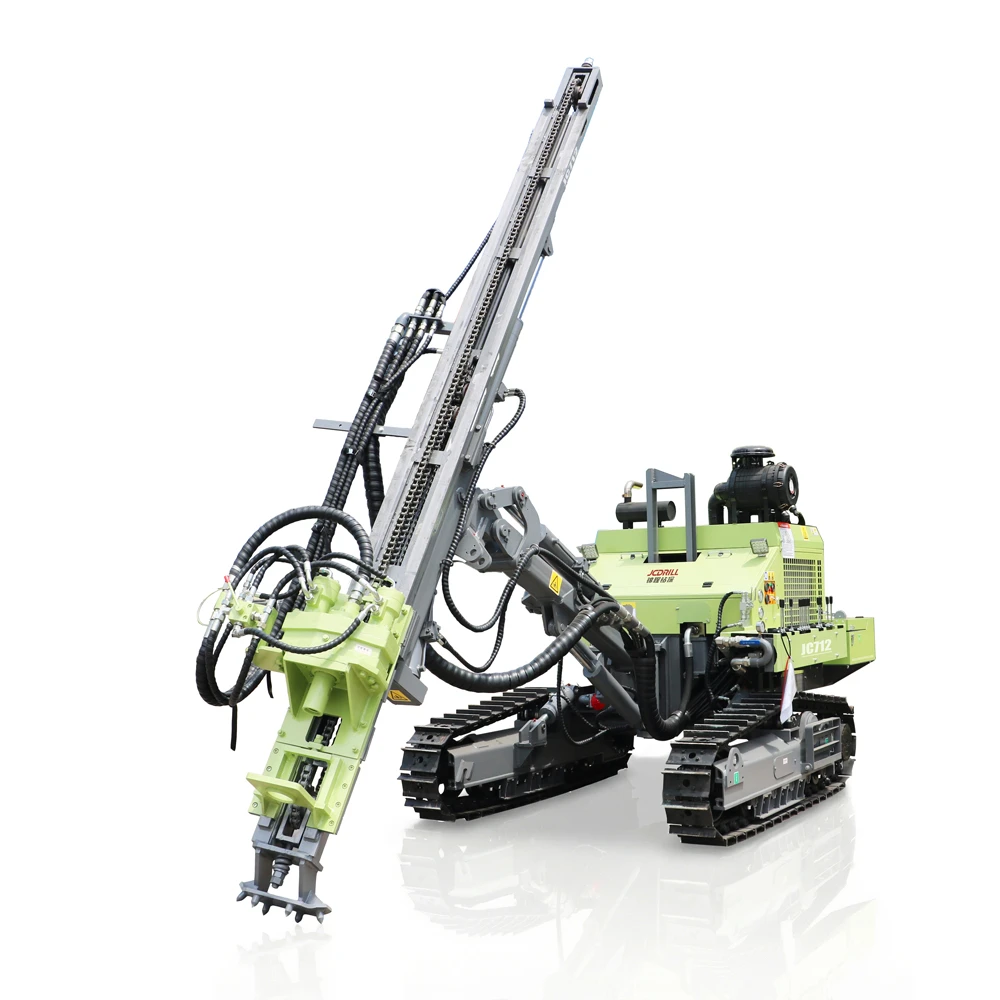
A Blast Hole Drilling Machine is a specialized piece of equipment that creates deep holes in the earth's surface to enable blasting operations in mining and construction projects. The holes drilled are typically large enough to hold explosives, which are then detonated to fracture rock formations. Understanding the terminology is crucial; for instance, "drill cuttings" refer to the fragments removed during the drilling process, and "rock fragmentation" is the desired outcome of explosive detonation.
The effectiveness of a blast hole drilling machine can be measured in terms of its penetration rate, which often surpasses 40 meters per hour depending on the rock type. Additionally, operators must be familiar with DTH (Down-The-Hole) hammers that maximize drilling efficiency by utilizing air-powered technologies to deliver high-frequency impacts to the drill bit.
Blast hole drilling machines are predominantly employed in various critical industries, including:
Each of these sectors relies on the precision and power of blast hole drilling to accomplish significant tasks swiftly and efficiently.
The utilization of a blast hole drilling machine brings numerous advantages to operators and businesses alike:
If you're considering adding a blast hole drilling machine to your operations, start by consulting the user guide specific to your machinery model. This will help you understand the best practices for operation, maintenance, and safety.
Additionally, explore models offered by reputable brands like jcdrillingrig, which offer robust support and expert guidance to maximize operational efficiency.
1. What are the dimensions of a typical blast hole?
A blast hole can range from 76 mm to 150 mm in diameter, depending on the project specifications and rock type.
2. How do I maintain a blast hole drilling machine?
Regular maintenance involves checking hydraulic systems, drill bits, and ensuring that safety features are operational. Following the manufacturer's professional maintenance schedule will enhance machine longevity.
3. Can blast hole drilling machines be used for environmental projects?
Yes, these machines can be effectively utilized in geotechnical investigations and environmental studies, aiding in the analysis of soil structures and water table locations.
4. Where can I find last year's performance data for blast hole drilling machines?
You can access performance reports through industry leaders like CoinDesk, or the Mining Association's annual reports, which provide insights and benchmarks on machinery efficiency and technological advancements.
In conclusion, understanding the significance of a blast hole drilling machine and its application can lead to improved productivity and safety in various fields. If you’re intrigued about the possibilities, consider reaching out to industry experts or exploring the jcdrillingrig product lineup.
How to Select Hole Diameter and Drilling Depth for Bench Blasting
Selecting the right hole diameter and drilling depth for bench blasting is crucial for maximizing efficiency and minimizing operational costs. In this guide, I will provide you with actionable steps to make this process straightforward and practical. Using a Blast Hole Drilling Machine like the JC Drilling Rig can enhance your blasting operations significantly. By understanding these parameters,
 Previous
Trends in Automated Rock Blasting Drilling for Quarry Production
The quarry industry has been facing numerous challenges, particularly in managing operational costs, improving safety, and enhancing production efficiency. Issues such as environmental regulations and the increasing demand for sustainability have made it essential for operators to seek innovative solutions. Automated rock blasting drilling techniques provide an answer by streamlining quarry
Next
Explore Drilling Solutions
Top Differences Between Surface and Underground Core Drilling Setups
The drilling industry is experiencing a notable evolution as companies seek more efficient methods to conduct mineral exploration and geological studies. Understanding the top differences between surface and underground core drilling setups is essential for stakeholders in this field. With specific challenges such as material extraction costs increasing by 25% over the past five years, and
Date 2026.10.12
Surface core rigs are designed for drilling operations that occur on the surface of the ground. They are typically used in mineral exploration and geological studies.
Date 2026.10.09
Fractured ground poses significant challenges for construction and drilling operations, particularly for those utilizing Surface Core Drilling Rig systems. The complexities of recovery can lead to increased project timelines and costs, frustrating contractors and engineers alike. Fortunately, implementing effective recovery techniques can accelerate progress and enhance overall productivity. By
Date 2026.10.08
Choosing the right surface core drilling rig is a critical decision for exploration and construction professionals. Whether you are drilling for mineral exploration, environmental studies, or geotechnical engineering, the choice between crawler and truck-mounted rigs can significantly impact efficiency and operational costs. This guide addresses key considerations for contractors and project
Date 2026.10.07
In the world of deep exploration drilling, inefficiencies can lead to significant financial losses and project delays. One of the most pressing issues is the inability to obtain accurate geological data in real time. This lack of precision is often attributed to traditional coring methods that can be both time-consuming and prone to human error. In an industry where every minute counts, the
Date 2026.10.06

Please leave your information.
